
Green Energy: What It Is and Why It Matters
Green energy is attracting more interest than ever, as individuals and businesses look for ways to lower their carbon footprint. But what does “green energy” actually mean, and is it better than conventional power sources? Let’s break down the basics, look at providers and technologies, and see how renewable energy is reshaping Australia.
What Is Green Energy?
Green energy refers to power generated from renewable sources, such as sunlight, wind, and water, that have minimal environmental impact. Unlike fossil fuels, which release greenhouse gases, renewables are constantly replenished and produce little to no emissions. This makes them a central part of the fight against climate change.
For instance, green solar energy uses solar panels to convert sunlight into electricity, while green hydrogen energy employs renewable electricity to split water molecules for fuel. These innovative methods are reshaping the energy landscape by providing cleaner alternatives to traditional power sources.
Some of the most common types of green energy include:
- Solar energy: Solar panels capture sunlight and convert it directly into electricity, offering a clean and reliable power source.
- Wind energy: Turbines harness the wind’s natural motion to generate electricity.
- Hydroelectric energy: Power plants use moving water, such as rivers or dams, to produce energy.
- Green hydrogen: Newer on the scene, green hydrogen uses renewable electricity to split water into hydrogen fuel, which can then be used cleanly.

Want to Switch to a New Energy Provider?
Speak to an agent or see more plans for free !
Green Energy Technologies and Innovations
Advancements in green energy technologies continue to drive the industry forward. Companies are investing in a wide range of solutions, from solar and wind power to emerging innovations like green hydrogen. These technologies not only reduce carbon emissions but also pave the way for energy independence and cost savings over the long term.
Innovations such as these are at the heart of what is often called renewable green energy. Whether it’s through improved energy storage systems or more efficient power conversion, the evolution of green energy technologies is essential for a sustainable future.
Green Energy in Australia
Australia is rapidly embracing green energy, with numerous providers offering plans that integrate renewable sources. Green energy Australia initiatives are on the rise, enabling households and businesses to choose power solutions that are both environmentally friendly and cost-effective. The transition to green energy is also supported by programs that promote sustainable practices and long-term savings, for example some state governments offer rebates for solar energy use.
Projects like the Western Green Energy Hub proposal have sparked national conversations about the future of renewable energy, with many wondering about its potential to transform regions like the Nullarbor. These large-scale initiatives could serve as models for future developments across the country.
Green Energy Providers and Plans
A variety of green energy providers are leading the way in offering renewable solutions across Australia. Here's a description of some of the most prominent energy companies in the sector, each offering unique plans tailored to meet different energy needs and preferences:
Infinite Green Energy
Infinite Green Energy offers environmentally friendly energy solutions designed to minimize carbon footprints. Their plans focus on renewable energy sources, with a range of options to accommodate both residential and business needs.
Energy Australia Green Power
Energy Australia provides green energy plans powered by 100% renewable sources. They emphasize sustainable energy and offer a variety of pricing options to suit different consumer needs, from home to large-scale commercial operations.
Go Green Energy
Go Green Energy specializes in providing energy from 100% renewable sources, including wind and solar power. Their plans are designed for eco-conscious consumers looking for affordable and reliable green energy solutions.
Ovo Green Energy
Ovo Green Energy offers innovative and sustainable energy solutions with a focus on solar and wind power. Their plans cater to both individual households and businesses, promoting clean energy for a greener future.

Go green with Ovo Energy
Discover Ovo Energy's 100% carbon neutral energy plan.
Help your wallet and the environment by switching today!
Other Providers
There are various other green energy providers in Australia that also offer renewable energy plans. Such as AGL, CovaU Energy, Engie and more! Check out our energy provider page to find the best one for you and your budget. These may include companies offering solar energy, wind power, and other sustainable energy sources, each with customizable plans to meet diverse customer needs.
These providers offer a range of options that can be tailored to suit different energy needs and budgets. By comparing the available plans and rates, you can select a green energy provider that best aligns with your environmental values and financial goals. If you want to switch providers but don't know where to start, contact us at Selectra or check out our comparator tool to find the cheapest energy providers for your needs.
Want to Switch to a New Energy Provider?
Speak to an agent or see more plans for free !
Solar Energy’s Key Role
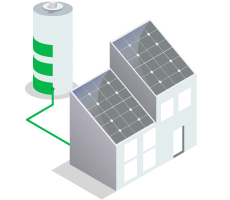
Solar energy is especially popular in Australia, thanks to the country’s abundant sunlight. Solar panels not only help cut household energy bills but also reduce reliance on fossil fuels. Advances in technology and falling installation costs continue to make solar a smart long-term investment for homes and businesses alike.
For many, solar power is considered the best green energy source, combining proven technology with scalable solutions suitable for both residential and commercial applications.
Emerging Trends: Green Hydrogen and More
Beyond solar and wind, innovations like green hydrogen are gaining ground. This method creates hydrogen fuel using renewable energy, promising flexible and clean energy storage—an important step for industries that are difficult to decarbonise.
Companies such as Adani Green Energy are investing heavily in these innovative technologies, signaling a robust future for green energy and its myriad applications.
Comparing Renewable and Traditional Energy Sources
When evaluating energy options, renewable green energy is increasingly seen as the future compared to traditional fossil fuels. Renewable sources such as solar and wind are cleaner, more sustainable, and, in many cases, more cost-effective over time. Although debates continue—such as discussions around whether nuclear energy can be considered green—the overall trend favors renewable energy for its long-term benefits to both the environment and consumers.

The Path Forward
Switching to a green energy plan is a practical way to help the environment and save money long-term. Supported by exciting technology developments and a growing roster of provider options, renewables represent a forward-thinking choice for anyone looking to make a difference.
Whether you’re exploring new green energy providers or upgrading your current setup, the move to renewable energy represents a significant step toward a sustainable future. Switch now and invest in a cleaner, greener planet today.
Frequently Asked Questions
What is green energy?
Green energy is power generated from renewable sources such as sunlight, wind, and water that have minimal environmental impact and produce little to no emissions.
What are common types of green energy?
Common types include solar energy via solar panels, wind energy using turbines, hydroelectric power from moving water, and emerging technologies like green hydrogen.
Which companies provide green energy in Australia?
Providers include Infinite Green Energy, Energy Australia, Go Green Energy, OVO Energy, AGL, Red Energy, and many others offering a range of renewable energy plans.
What are some notable renewable energy projects in Australia?
Major projects include Sun Cable's AAPowerLink, Golden Plains Wind Farm, Western Green Energy Hub, New England Solar Farm, and the Kaban Green Power Hub.
How does renewable energy benefit businesses?
Renewable energy reduces carbon footprint, offers stable energy prices via Power Purchase Agreements, and enhances sustainability and corporate social responsibility.
Is green energy more expensive than traditional energy?
While initial costs can be higher, renewable energy often results in long-term savings through lower operating costs, government incentives, and reduced exposure to fuel price volatility.